

"Ew! What is that?": The Asian kid's experience in America
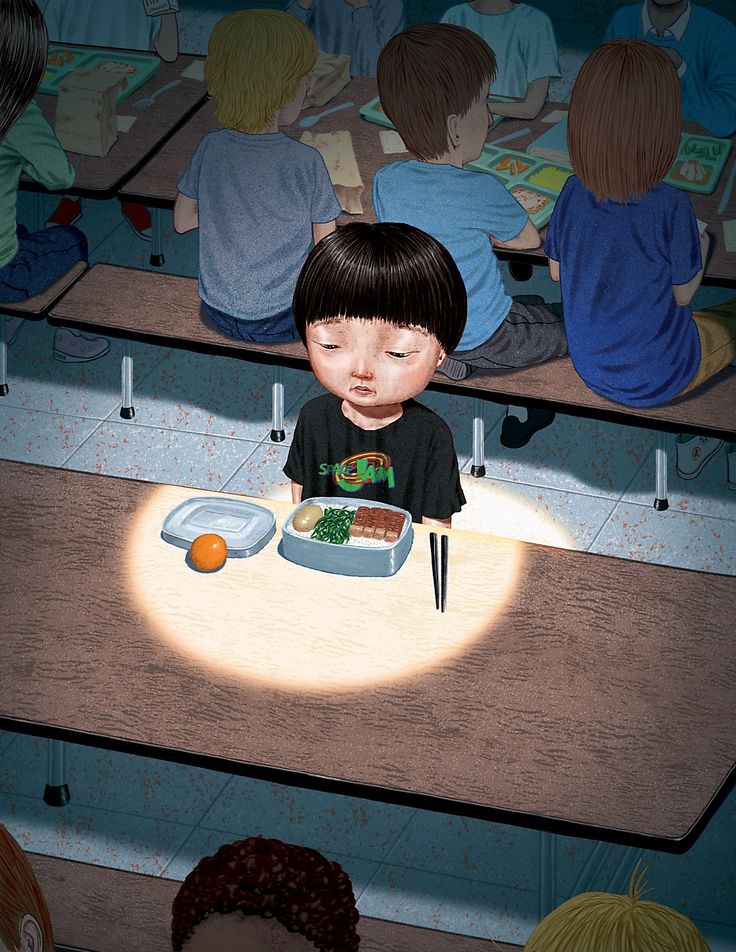
For many Asian American kids, school is a place of discovery, growth, and a bit of a cultural balancing act. It's where they blend their rich heritage with the diverse fabric of American society. In this article, we dive into what it's like for Asian American students navigating their school years, from the unique challenges to the vibrant moments of cultural exchange. The first day of school can be a mix of excitement and nerves for anyone, but for Asian American kids, it often comes with additional layers. Imagine bringing your favorite homemade lunch to school only to have classmates ask, “What is that?” or being the only one who celebrates Lunar New Year while your friends talk about Christmas.
These experiences can make Asian American kids feel different, but they also provide opportunities to share their culture. Bringing in a dish like dumplings for a class potluck or explaining Diwali can turn curiosity into appreciation and foster a more inclusive environment. Academics play a significant role in the lives of many Asian American students. There’s often a strong emphasis on education within their families, seen as a path to success and stability. However, this can come with high expectations and pressure to excel in subjects like math and science, participate in extracurriculars, and maintain top grades.
This pressure isn’t just internal. The “model minority” stereotype, which assumes all Asian students are naturally high achievers, can add to the stress. While some thrive, others might feel overwhelmed, anxious, or struggle with mental health issues. It's important to recognize that every student is unique, with their own strengths and challenges. At home, Asian American children might speak a different language, eat traditional foods, and follow cultural customs. But at school, they navigate a world where they might be one of the few who share these experiences. This balancing act can be tough but also enriching.
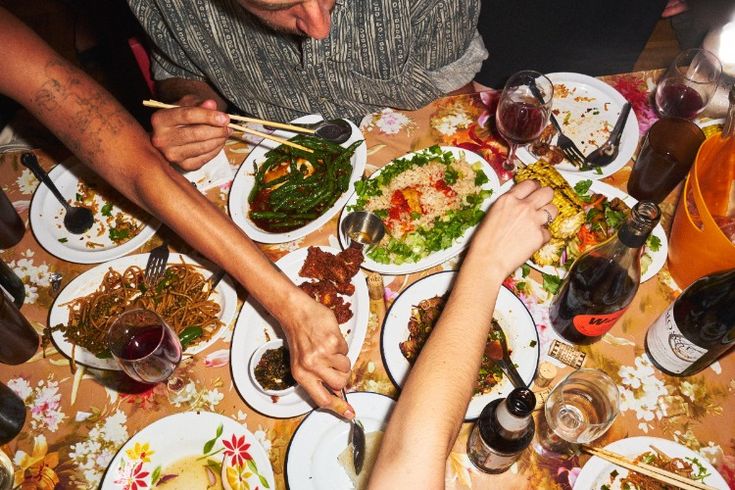
One significant aspect of this cultural balancing act is lunchtime. Bringing ethnic foods to school can be a double-edged sword. On one hand, it’s a source of pride and a way to stay connected to one’s heritage. On the other hand, it can invite unwanted attention and sometimes teasing. Foods with strong aromas, unusual textures, or ingredients unfamiliar to peers might draw curious stares and questions like, “What is that smell?” or “Ew, what are you eating?” These moments, though potentially uncomfortable, also offer teachable opportunities. Explaining the dish’s cultural significance or even offering a taste to curious friends can transform the experience. It’s a chance to educate others and share a piece of one’s identity, turning what could be an awkward situation into a moment of cultural exchange and mutual understanding.
Seeing oneself reflected in the classroom, whether through diverse literature, history lessons, or role models, is incredibly powerful. Representation in school curricula helps Asian American students feel seen and valued. It also educates their peers, breaking down stereotypes and fostering a more inclusive community. Recent efforts to include more Asian American voices in textbooks and school programs are a step in the right direction. When students read about Asian American heroes, scientists, artists, and activists, they gain a broader and richer understanding of American history and culture.
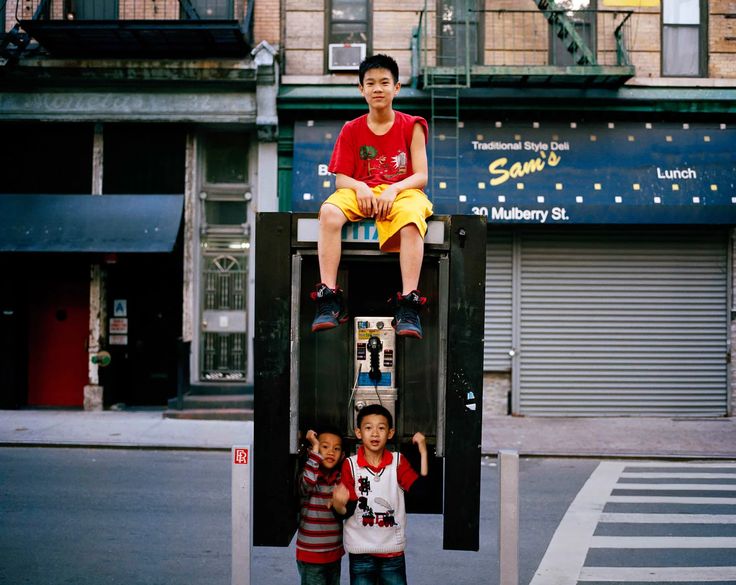
Despite the challenges, Asian American students often develop strong resilience and adaptability. They learn to navigate different cultural expectations, stand up against stereotypes, and celebrate their unique identities. School-based cultural clubs and organizations provide vital support, offering a space to connect, share experiences, and celebrate heritage together. School is a significant part of growing up for Asian American kids, filled with moments of cultural exchange, academic challenges, and personal growth. It’s a journey of blending traditions, breaking stereotypes, and building a hybrid identity that is uniquely their own. As they navigate these school years, they contribute to a richer, more diverse tapestry of American life.